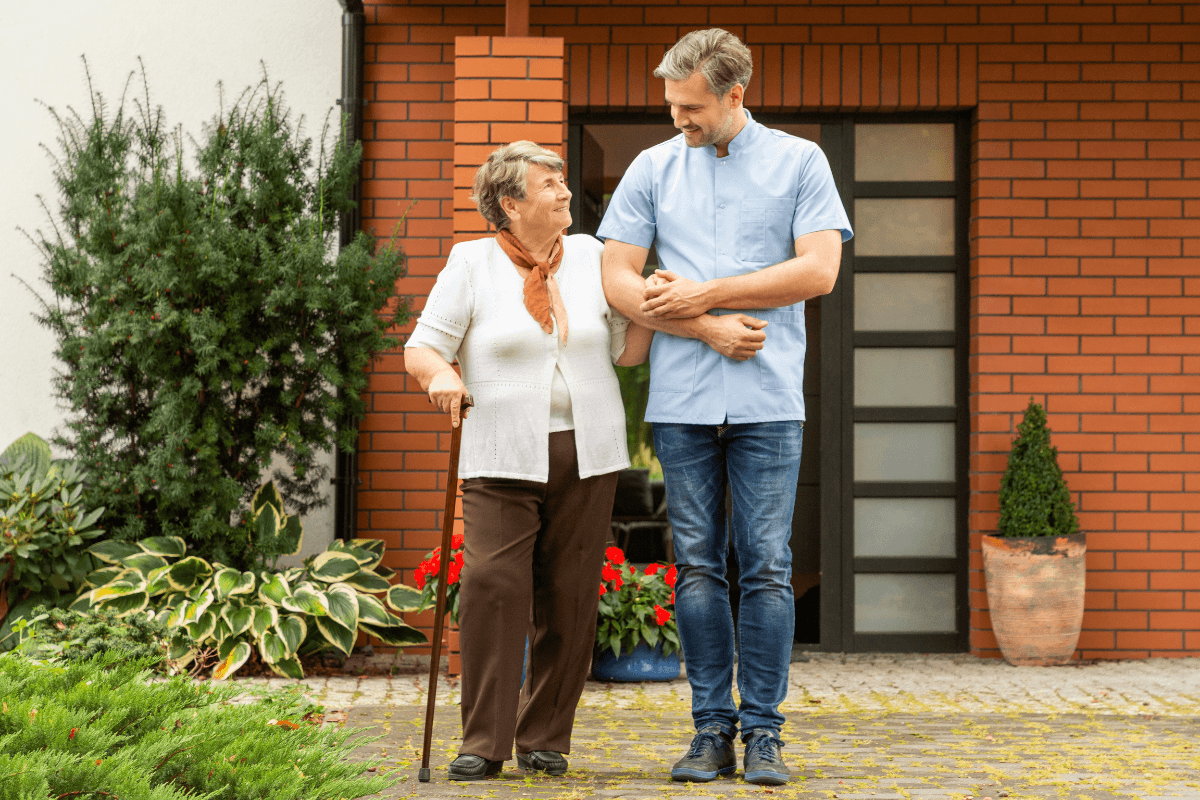
Caring for a family member with dementia is a journey fueled by profound love and unwavering dedication. However, as memory impairments progress, a loved one’s daily care needs naturally evolve, often requiring more specialized support than a traditional home environment can easily provide.
It is completely normal for caregivers to find themselves weighing the cherished familiarity of home against the structured, engaging environment of a dedicated memory care community. Our team will gently explore the unique benefits and challenges of both paths, providing clear, supportive guidance to help families make an informed decision for their holistic well-being.
The Reality of At-Home Care
Lots of families lean toward caring for aging adults at home because it allows them to retain normalcy. A deeply familiar environment, such as the home an older adult has lived in for decades, feels like it’s inherently the right choice for individuals with memory challenges. Cherished memories seem linked to every piece of furniture or aspect of the daily routine, and it’s easier than ever to spend quality one-on-one time together as a family. These reasons make a lot of sense for people who value the closeness of being a family unit.
However, there are some challenges associated with caring for an older adult at home, especially one living with memory concerns. Physical modifications to the home are needed over time for safety, while these modifications are standard in memory care communities. There is also the difficult risk of social isolation for the older adult, and the heavy emotional toll that condition has on family caregivers. As dementia concerns increase, around-the-clock care may become a necessity, which also has its own negative effects on relatives who have stepped up to the task of caregiving.
Benefits of Dedicated Memory Care in Florida
Memory care communities deliver near-immediate peace of mind for families looking for a breakthrough in their loved one’s journey with memory loss. These communities are purposefully designed to provide a secure, engaging, and nurturing environment where residents living with memory impairments can really succeed. Memory care communities are tailored to support, engage, and house individuals living with dementia. They are equipped with 24/7 expert caregivers, safe architectural layouts, and research-based programming tailored to individual abilities.
The truth is, there is an undeniable positive impact of daily socialization and purposeful activities in supporting those living with dementia. According to a study in the Journal of Biomedical Science, there is a profound impact of social activities and relationships on mental health, showing that loneliness increases the risk of diseases like Alzheimer’s. Memory care communities foster daily opportunities for meaningful social interaction. For example, a community might offer gentle group yoga for physical health, music therapy to spark joyful memories, and social gatherings to nurture emotional connections.
Selecting the right memory care community may seem like handing over the reins at first, but it’s actually the opposite. Rather, this decision allows families to step back into the role of a loving daughter, son, or relative while trained professionals handle daily medical and safety needs. Families might observe a more peaceful, worry-free dynamic after seeking professional care for a cherished family member.
Other Major Factors to Consider
To find the perfect fit for a family member, adult children and relatives should have an honest, compassionate assessment of their relative’s current reality and resources. The right path is often clear, but complex emotions understandably create a bit of uncertainty.
Safety risks are a huge indicator of whether to look into memory care in Florida. If an older adult wanders often, experiences frequent falls, or leaves appliances like the stove, oven, or faucet on, the payoff of a safe and secure environment becomes that much more appealing. Additionally, social and emotional needs are a large part of feeling fulfilled in life.
Lastly, the stress level of family caregivers has a place in the discussion. A gentle evaluation of feelings of overwhelm may help families recognize that specialized help is a loving, significant choice in an older adult’s journey to continuing a joyful, engaging, and fruitful life.
Find The Right Path For a Loved One
Deciding whether a loved one will thrive best at home or in a specialized environment ultimately comes down to balancing their physical safety, emotional comfort, and the need for expert support. While home offers cherished familiarity, dementia care communities in central Florida provide a secure, engaging space specifically designed for individuals experiencing memory impairments to truly succeed. Understanding this is a deeply personal choice, families don’t have to navigate this evolving journey alone.
CERTUS Memory Care communities in Florida are purposefully designed to foster meaningful social connections and engaging activities, creating an environment where individuals with Alzheimer’s and dementia can truly thrive. CERTUS Memory Care blends expert care with a warm, supportive atmosphere to combat loneliness, empower residents to maintain cognitive health, and enjoy a better quality of life. This approach offers families peace of mind and a brighter path forward. If you’re looking for more information, reach out to our knowledgeable team, and we’ll be happy to get back to you.
Key Takeaways
- Enhanced Safety and Support: Dementia care communities in central Florida provide secure environments, expert caregivers available 24/7, and tailored support to meet the unique needs of individuals living with dementia.
- Meaningful Socialization and Activities: These communities offer purposeful daily activities, such as music therapy and group exercises, to promote residents’ emotional, mental, and physical well-being.
- Relief for Families: By entrusting specialized care to trained professionals, families can focus on fostering loving relationships while easing the stress and responsibility of caregiving.